

Choosing the Right Temporary Boiler Fuel
When businesses require temporary heating or hot water, selecting the right fuel type is an important decision. Whether supporting a plant room refurbishment, emergency heating requirement or temporary project, the choice between oil-fired and gas-fired temporary boiler hire can influence efficiency, installation requirements and operational costs.
Temporary boiler hire provides flexible heating solutions for commercial and industrial facilities across the UK, allowing organisations to maintain heating and hot water while permanent systems are offline or under maintenance.
However, not all temporary boilers operate in the same way. Oil-fired and gas-fired systems each offer distinct advantages depending on the site infrastructure, fuel availability and heating requirements.
At Ideal Heat Solutions, we provide both oil and gas temporary boiler hire, helping organisations choose the most appropriate solution for their operational needs.
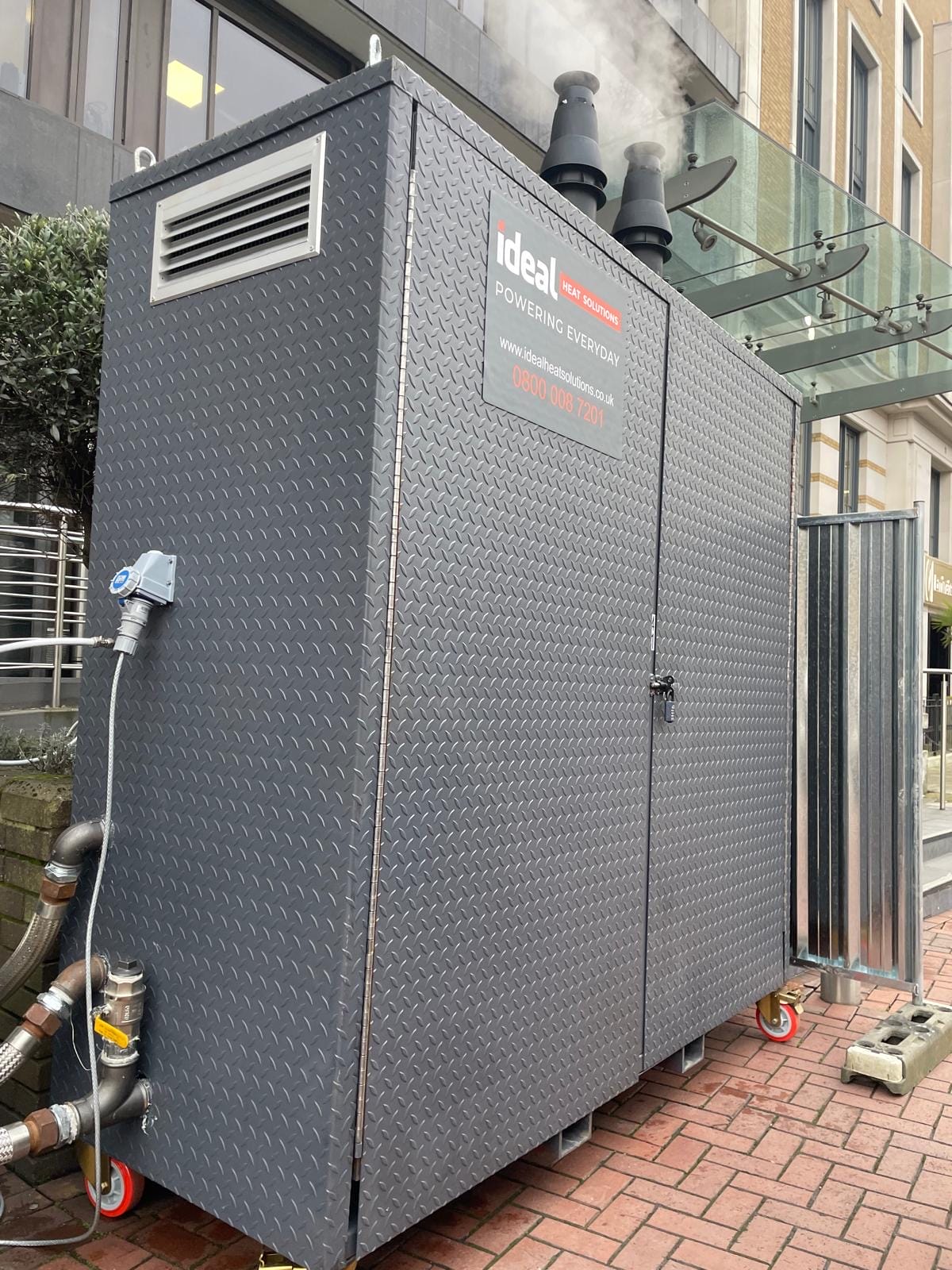
Read more about commercial boiler hire, industrial boiler hire, commercial heater hire and industrial heater hire.
Assessing Your Temporary Boiler Hire Requirements
Before selecting a fuel type, it is essential to evaluate the specific requirements of your project or facility.
Temporary boilers are frequently used for:
- Emergency heating during boiler breakdowns
- Planned plant room maintenance or refurbishment
- Seasonal heating demand
- Construction and commissioning projects
- Hot water supply for commercial or industrial processes
Several factors influence whether an oil-fired or gas-fired temporary boiler is the best option.
These include the size of the building or site, insulation levels, required heating output, available utilities and installation logistics.
For example, a commercial building with a natural gas connection may benefit from a gas-fired temporary boiler, while a construction site or remote industrial facility without gas infrastructure may require an oil-fired solution.
Calculating the correct heating load is also critical. Large facilities such as warehouses, manufacturing plants or distribution centres often require higher-capacity boilers to maintain consistent temperatures and meet operational demands.
Working with a specialist boiler hire provider ensures the system is correctly sized, efficiently installed and integrated safely with existing heating systems.
Oil-Fired Temporary Boilers
Advantages of Oil-Fired Boilers
Oil-fired temporary boilers are widely used because they provide flexibility and independence from fixed gas infrastructure.
These boilers operate using heating oil stored in external fuel tanks, making them ideal for sites where natural gas connections are unavailable or unreliable.
This makes oil-fired boilers particularly suitable for:
- Construction and infrastructure projects
- Industrial sites without gas connections
- Temporary buildings and remote locations
- Emergency heating deployments
Oil-fired temporary boilers also provide strong and reliable heat output, making them well suited to large buildings and demanding heating applications.
Key Benefits
Fuel Independence
Oil-fired boilers do not rely on mains gas infrastructure. Fuel can be delivered and stored on-site using dedicated fuel tanks.
High Heat Output
Oil burners deliver powerful heating performance, capable of heating large commercial or industrial spaces quickly.
Portability and Flexibility
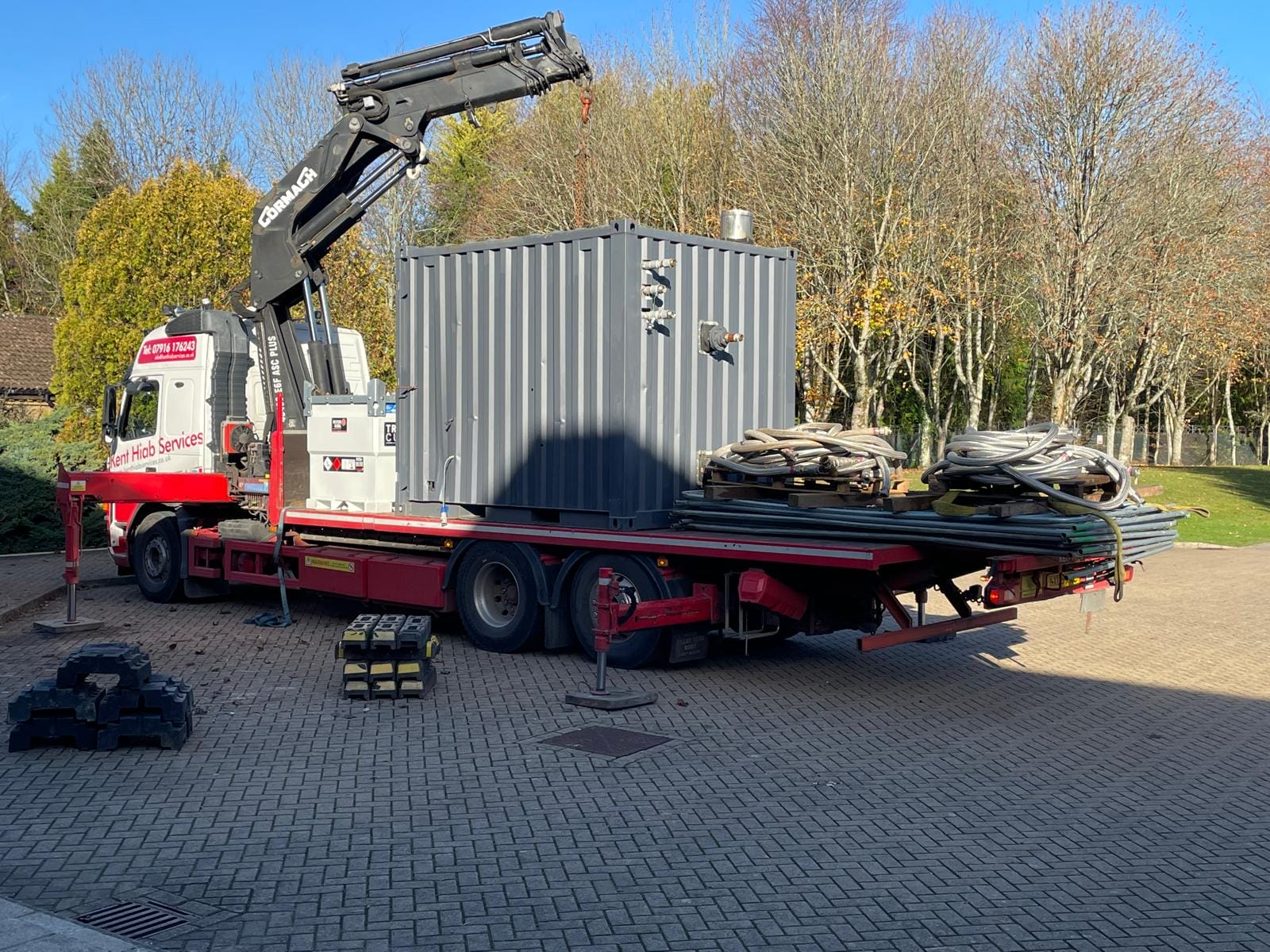
Oil-fired temporary boilers are often containerised or skid-mounted, making them easy to deploy across multiple sites.
Considerations for Oil-Fired Boilers
While oil-fired temporary boilers offer flexibility, they also require fuel storage and management.
On-site fuel tanks must be positioned correctly and comply with environmental regulations to minimise risks such as spills or leaks.
Fuel prices can also fluctuate depending on market conditions, which may influence operational costs over longer hire periods.
Regular maintenance of oil burners is important to maintain efficiency and ensure the system operates safely.
Despite these considerations, oil-fired temporary boilers remain one of the most reliable solutions for sites without access to natural gas infrastructure.
Gas-Fired Temporary Boilers
Advantages of Gas Boilers
Gas-fired temporary boilers are often preferred when a reliable gas supply is available, particularly in commercial buildings or urban environments.
These systems typically operate using natural gas or LPG (liquefied petroleum gas) and provide efficient, clean-burning heating performance.
Gas boilers are widely used in environments where emissions, operational efficiency and ease of operation are key priorities.
They are commonly installed during plant room refurbishments, building maintenance projects or planned heating upgrades.
Key Benefits
Cleaner Fuel Source
Gas produces fewer emissions than oil, making gas-fired temporary boilers suitable for sites with stricter environmental requirements.
Reduced Maintenance Requirements
Gas combustion produces less residue than oil, meaning servicing requirements are generally lower.
Continuous Fuel Supply
When connected to mains gas infrastructure, there is no need for on-site fuel storage or deliveries.
Considerations for Gas Boilers
Gas-fired temporary boilers rely on access to a suitable gas supply.
Sites without mains gas must use LPG cylinders or bulk LPG tanks, which require regular replacement and safe storage.
Gas boilers also require proper ventilation, gas safety compliance and sufficient electrical capacity for pumps and control systems.
Installation should always be carried out by qualified engineers to ensure the system operates safely and meets regulatory standards.
When these conditions are met, gas-fired temporary boilers provide an efficient and reliable heating solution for many commercial environments.
Oil vs Gas Temporary Boiler Hire: Key Differences
Choosing between oil and gas temporary boiler hire depends on the infrastructure and operational needs of the site.
| Factor | Oil-Fired Boilers | Gas-Fired Boilers |
| Fuel Supply | Delivered fuel stored on-site | Mains gas or LPG cylinders |
| Site Suitability | Ideal for remote locations | Best for sites with gas infrastructure |
| Environmental Impact | Higher emissions | Lower emissions |
| Operational Cost | Fuel price fluctuations | Generally lower fuel costs |
| Maintenance | Requires regular servicing | Lower maintenance requirements |
| Heat Output | High output for large spaces | Efficient for moderate to large buildings |
Both fuel types can provide reliable heating when specified correctly.
The best solution depends on site infrastructure, fuel availability and operational priorities.
Additional Temporary Heating Options
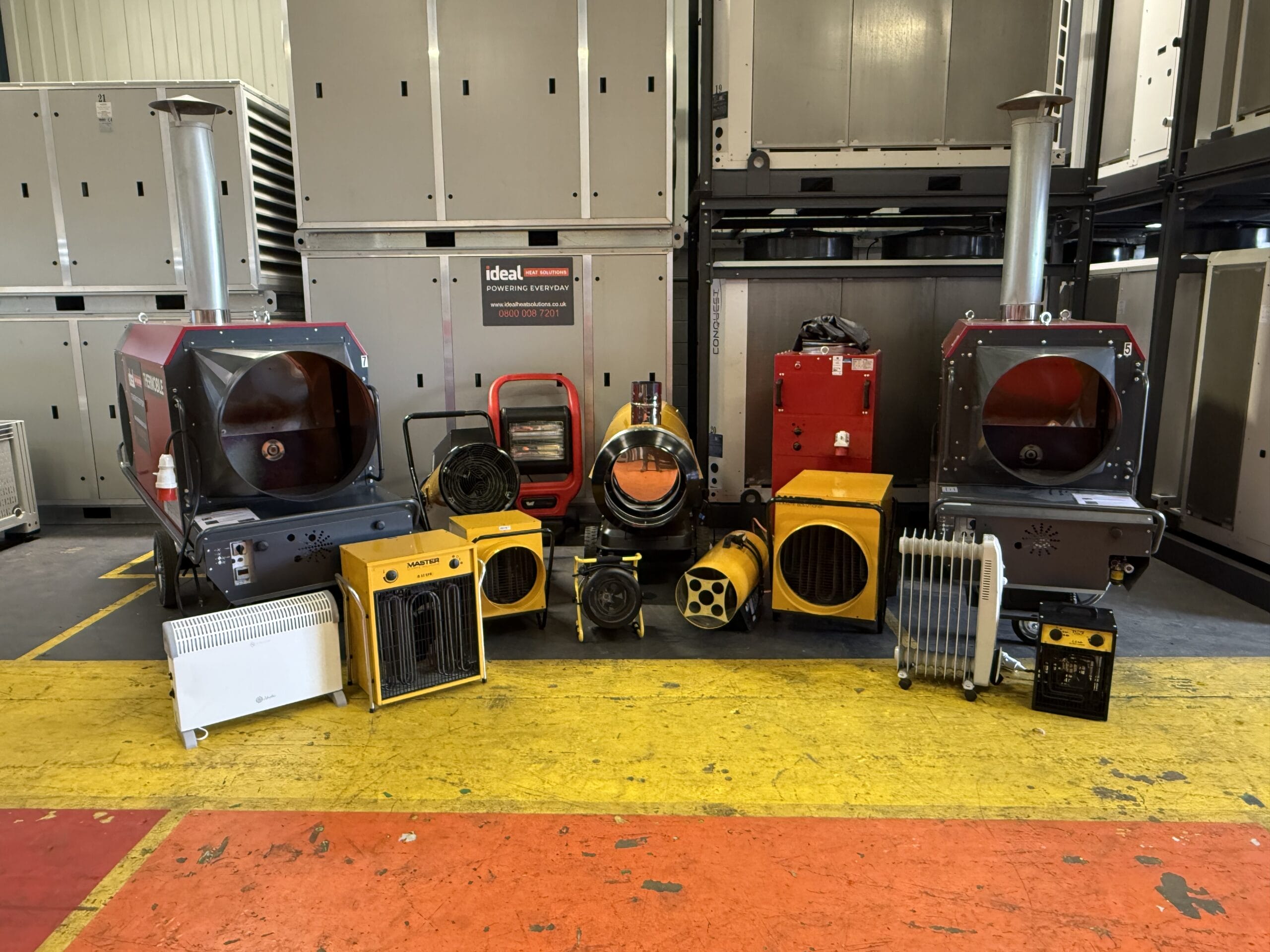
While temporary boilers provide central heating and hot water, some projects may benefit from supplementary heating systems.
Electric Fan Heaters
Electric fan heaters are suitable for small spaces such as site offices, welfare cabins or temporary buildings.
They provide quick heat and are simple to deploy, but they require a strong electrical supply and are generally unsuitable for large areas.
Indirect Diesel-Fired (IDF) Heaters
IDF heaters are ideal for large open environments such as warehouses, construction sites and marquees.
These heaters burn diesel fuel but vent exhaust gases externally, ensuring safe indoor air quality while delivering powerful heating performance.
They are frequently used for drying, frost protection and temporary heating during construction projects.
Choosing the Right Temporary Boiler Solution
Selecting between oil and gas temporary boiler hire ultimately depends on several factors including:
- Site infrastructure and fuel availability
- Heating load and building size
- Environmental considerations
- Budget and operational requirements
Oil-fired boilers provide flexibility and high output for remote or temporary sites, while gas-fired boilers offer cleaner and lower-maintenance heating where gas infrastructure is available.
Understanding these differences ensures businesses choose the most efficient temporary heating solution for their project.
Temporary Boiler Hire with Ideal Heat Solutions
Ideal Heat Solutions provides temporary, planned and emergency boiler hire across the UK, supporting commercial and industrial clients with reliable heating and hot water solutions.
Our fleet includes oil-fired and gas-fired temporary boilers, alongside a full range of ancillaries including plate heat exchangers, pumps, fuel tanks and hoses.
Whether supporting a plant room refurbishment, construction project or emergency breakdown, our team helps specify the right temporary boiler solution for your site.
Conclusion
Choosing between oil and gas temporary boiler hire is an important step when planning temporary heating solutions.
Each fuel type offers unique benefits depending on the location, infrastructure and heating requirements of the site.
By assessing fuel availability, operational costs and environmental considerations, businesses can select the most suitable temporary boiler for their project.
With the support of an experienced provider like Ideal Heat Solutions, organisations can deploy reliable temporary heating systems quickly and efficiently, ensuring operations continue without disruption.

Frequently Asked Questions – Oil vs Gas Temporary Boiler Hire
1. What is the difference between oil-fired and gas-fired temporary boilers?
Oil-fired temporary boilers use heating oil stored in on-site fuel tanks, making them ideal for locations without access to mains gas. Gas-fired temporary boilers typically run on natural gas or LPG and are often used in commercial buildings where gas infrastructure is available.
2. Which is better: oil or gas temporary boiler hire?
The best option depends on the site. Oil-fired boilers are ideal for remote locations or construction projects without gas connections, while gas-fired boilers are often preferred in urban environments where mains gas is available and lower emissions are required.
3. When should I use an oil-fired temporary boiler?
Oil-fired temporary boilers are commonly used on construction sites, industrial facilities, remote locations and temporary buildings where natural gas infrastructure is not available.
4. When is gas-fired temporary boiler hire the better option?
Gas-fired temporary boilers are often used in commercial buildings, hospitals, schools and offices where a reliable gas supply already exists. They provide efficient heating with lower emissions and reduced maintenance requirements.
5. Are oil-fired temporary boilers more powerful than gas boilers?
Oil-fired boilers can provide very high heat output and are well suited for large spaces such as warehouses, factories and construction projects. However, both oil and gas temporary boilers can be sized to meet a wide range of heating demands.
6. Do temporary boilers require fuel storage?
Oil-fired temporary boilers require on-site fuel storage tanks to supply heating oil. Gas-fired temporary boilers connected to mains gas do not require storage, although LPG-powered systems may use external gas cylinders.
7. Can temporary boilers connect to existing heating systems?
Yes. Temporary boilers can be connected to existing heating systems, plant rooms or distribution networks to provide heating and hot water while permanent systems are offline for maintenance or upgrades.
8. Can temporary boiler hire support emergency or planned heating requirements?
Yes. Temporary boiler hire is widely used for emergency heating during system failures, as well as planned applications such as plant room refurbishments, construction projects and seasonal heating demand.
To learn more or book a free site survey, contact Ideal Heat Solutions today.
📞 CALL US: 0808 301 4183
QUICK FORM FILL: Contact Us – Ideal Heat Solutions
DISCOVER OUR BOILER HIRE RANGE
Explore our latest project case studies
