

When a business or organisation arranges boiler rental for the first time, the process can feel unfamiliar. What exactly does the hire agreement cover? Who is responsible for fuel? What happens if something goes wrong? How long does the hire last?
These are entirely reasonable questions, and the answers have a direct bearing on cost, planning, and operational peace of mind. This guide demystifies the boiler rental process in the UK, explaining what you should expect from a hire agreement and how to evaluate whether what you are being offered represents good value.
Types of Boiler Rental Agreement
Short-Term Emergency Hire
Emergency boiler rental is typically arranged on an open-ended basis; the hire continues for as long as the temporary boiler is needed, and the agreement is terminated once the permanent system is restored. Pricing for short-term emergency hire reflects the urgency of mobilisation and the resources required to respond quickly. A minimum hire period is usually specified, typically one to two weeks.
Fixed-Term Planned Hire
Where a boiler is needed for a specific project, a planned refurbishment, a construction programme, or a seasonal supplementary load a fixed-term agreement is usually more appropriate. Fixed-term agreements are typically more cost-effective than open-ended hire and allow both parties to plan resources and logistics. Common durations range from one month to twelve months or more for longer projects.
Long-Term or Semi-Permanent Hire
Some organisations use boiler rental as a long-term alternative to capital purchase. This is particularly common where the organisation has a limited capital budget, where the heating requirement is seasonal or variable, or where procurement rules favour operational expenditure over capital expenditure. Long-term hire agreements can run for multiple years and may include enhanced service levels.
What a Good Boiler Rental Agreement Should Include
Not all boiler rental agreements are created equal. When reviewing a hire agreement, look for the following:
Equipment Specification
The agreement should clearly identify the equipment being provided, boiler make, model, output in kW, fuel type, and any ancillary equipment included. Vague descriptions such as ‘a boiler of approximately 500kW’ are not sufficient. You should know exactly what you are getting.
Delivery, Installation, and Commissioning
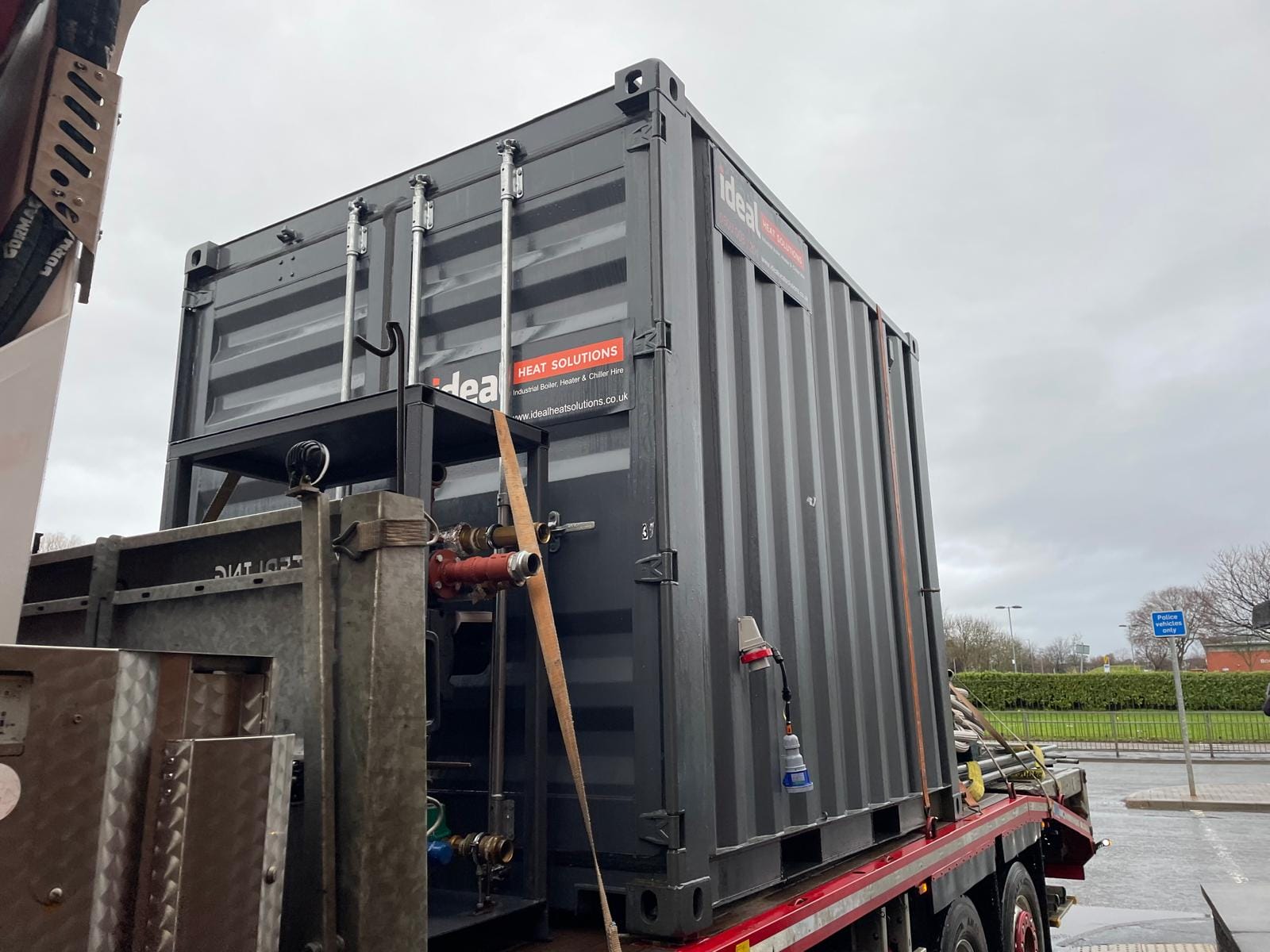
Confirm whether delivery, installation, and commissioning are included in the hire rate or charged separately. At Ideal Heat Solutions, our hire packages include delivery to site, installation by Gas Safe or OFTEC-registered engineers, full commissioning, and handover documentation as standard.
Fuel Responsibilities
This is a frequent source of confusion. For oil-fired boilers, Ideal Heat Solutions offer a fully managed fuel supply service which is monitored throughout the hire duration. For gas-fired connections, the client’s gas supply and any temporary meter installation costs are normally the client’s responsibility. Clarify this explicitly before signing.
Maintenance and Breakdown Cover
Your agreement should specify who is responsible for routine maintenance during the hire period, what response time is guaranteed for breakdown callouts, and what the escalation process is for critical failures. Ideal Heat Solutions provides 24/7 support on all hire contracts, with our engineers available around the clock for urgent callouts.
Remote Monitoring
For packaged boiler hire, remote BMS monitoring is included as standard in our agreements. This allows our engineers to proactively identify performance issues and respond before they escalate. Check whether your potential hire provider offers this capability.
Insurance and Liability
Understand who is responsible for the equipment while it is on your site. Most hire agreements place responsibility for fire, theft, and accidental damage on the hirer. Confirm whether your existing site insurance covers hired-in plant, and if not, arrange appropriate cover.
Decommissioning and Collection
The end of the hire period should be clearly defined. Confirm what the process is for decommissioning, who flushes and drains the system, who disconnects pipework, and what the lead time is for collection. For planned projects, building this into the project programme from the outset avoids costly ooverruncharges.
How to Compare Boiler Rental Quotes
When comparing quotes from different providers, make sure you are comparing like-for-like. Key questions to ask:
- Is delivery and installation included or charged separately?
- Is 24/7 breakdown support included, or is there an additional charge?
- Is remote monitoring included?
- What is the minimum hire period?
- What are the terms for extending or terminating the agreement?
- What is the mobilisation lead time for emergency hire?
What Boiler Rental Typically Costs
Boiler rental costs in the UK vary considerably depending on equipment size, hire duration, urgency of mobilisation, and the level of service included. As a general guide, short-term emergency hire for a mid-range packaged boiler will be priced at a premium relative to a planned fixed-term agreement, reflecting the cost of fast mobilisation. Longer-term agreements offer better daily rates.
The most important principle is that the cheapest hire rate is not always the best value. A poorly maintained boiler from a provider with limited support capability may cost less per week but far more in terms of operational disruption, additional callout charges, and the consequences of downtime.
Conclusion
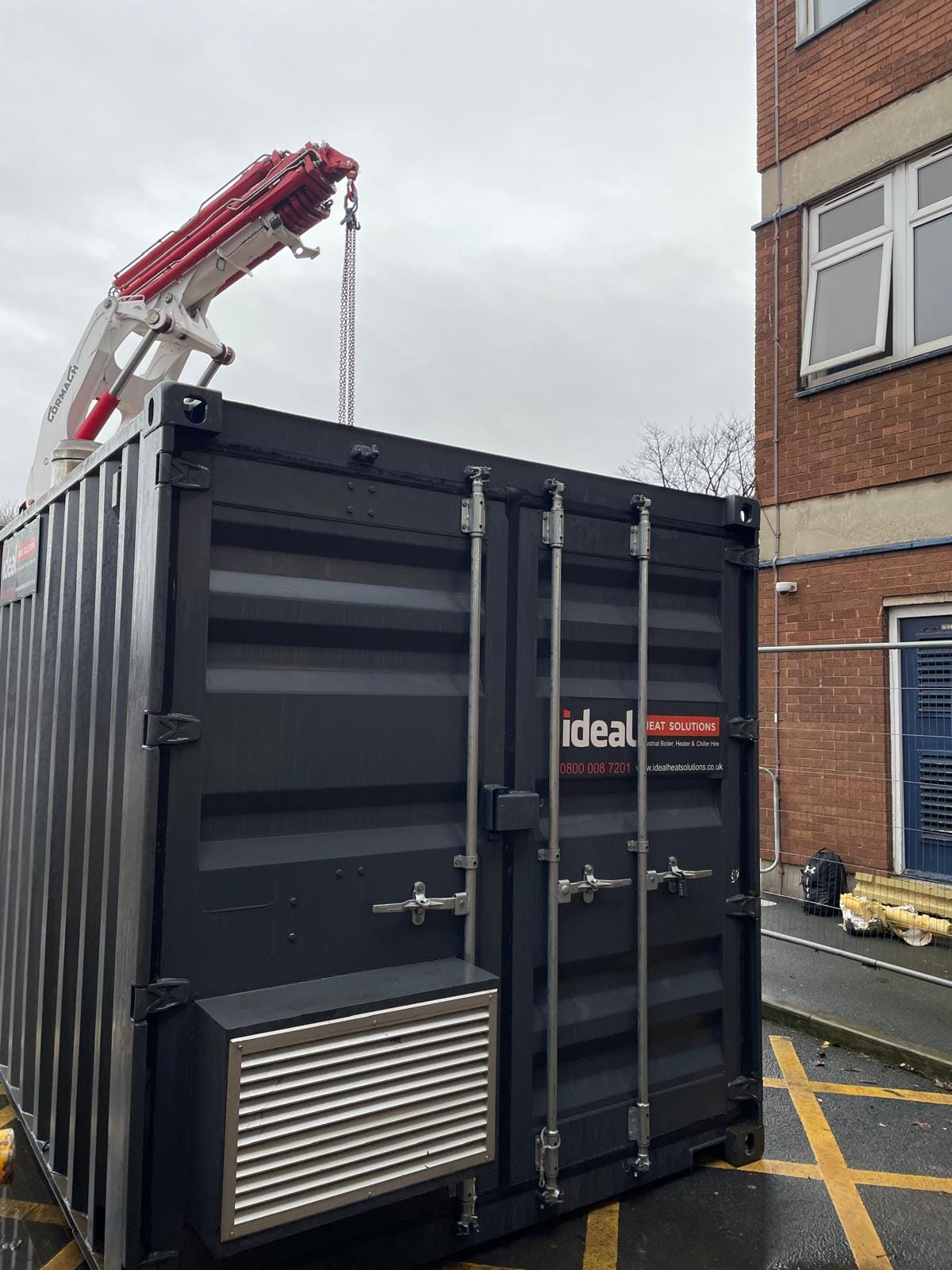
Boiler rental in the UK is a well-established and flexible way to manage heating requirements without the capital cost or long-term commitment of purchase. Understanding what a hire agreement covers and what it does not is the first step to making a confident and informed decision.
Ideal Heat Solutions offers transparent, comprehensive boiler rental agreements with no hidden costs and full 24/7 support. To discuss your requirements or request a quote, fill in our contact form or call us on 0808 301 4183.