

Reliable temporary power can be essential when an active construction site, where temporary services, welfare facilities, tools and changing site conditions all need to be considered, cannot rely on its normal electrical supply. This guide explains the practical considerations behind generator hire and the steps that facilities managers, contractors and operations teams can take to plan the requirement properly. The aim is not simply to put a generator on site. A dependable solution needs to reflect the electrical load, the physical layout, the project programme and the systems that are most important to day-to-day operations.
Good planning can reduce avoidable disruption. By identifying priorities early, the site team can decide what must remain powered, what can be isolated and how the temporary arrangement will be installed and managed. This is particularly important on commercial and industrial projects where a short interruption can affect staff, customers, production or critical services.
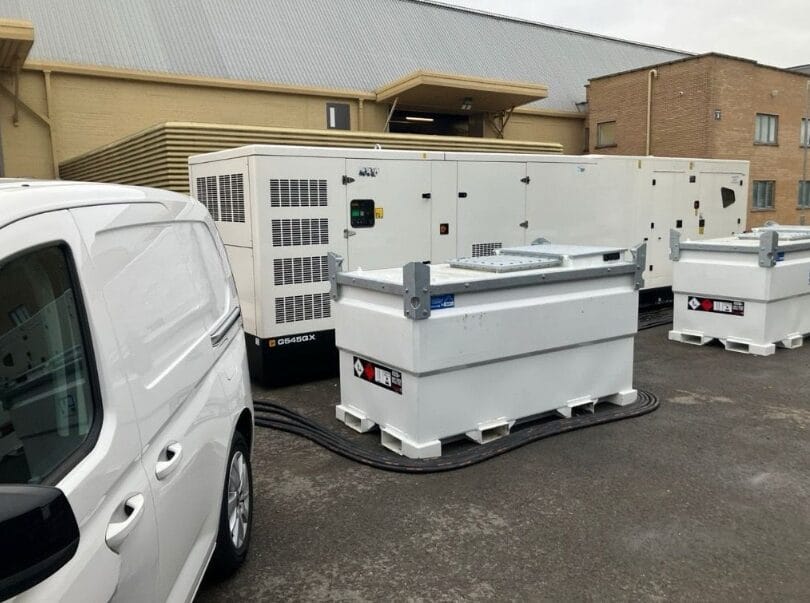
Why construction sites need temporary power
Construction programmes often begin before permanent electrical infrastructure is ready. Generators can support site offices, welfare facilities, tools, lighting and temporary buildings throughout the programme. In practice, this means looking beyond the headline requirement and considering how the temporary power arrangement will work throughout the project. For an active construction site, where temporary services, welfare facilities, tools and changing site conditions all need to be considered, the best decisions are normally made when the facilities team, contractors and relevant electrical specialists share the same understanding of the load and the programme. Small details such as delivery timing, available space, operating hours and the order in which equipment is brought online can have a significant effect on the final arrangement.
Before committing to a solution, it is worth documenting the assumptions behind the requirement. The site team should confirm what must remain operational, what can be temporarily isolated and what changes are expected during the hire period. This creates a clearer basis for specifying generator hire and helps avoid a situation where the equipment is selected before the full scope is understood. It also makes communication easier if the programme changes, because the original priorities and technical requirements have already been recorded.
A practical plan should also include responsibility and timing. Someone should be able to confirm site access, another person should understand the electrical work, and the wider project team should know when temporary power will be installed, tested and removed. Clear ownership does not add unnecessary administration. It reduces uncertainty and gives everyone involved a better opportunity to identify issues before they affect operations.
Start with a load assessment
List every major load and identify which equipment may start at the same time. Motors and other equipment can create higher starting demands, so the generator should be selected around the real operating profile. In practice, this means looking beyond the headline requirement and considering how the temporary power arrangement will work throughout the project. For an active construction site, where temporary services, welfare facilities, tools and changing site conditions all need to be considered, the best decisions are normally made when the facilities team, contractors and relevant electrical specialists share the same understanding of the load and the programme. Small details such as delivery timing, available space, operating hours and the order in which equipment is brought online can have a significant effect on the final arrangement.
Before committing to a solution, it is worth documenting the assumptions behind the requirement. The site team should confirm what must remain operational, what can be temporarily isolated and what changes are expected during the hire period. This creates a clearer basis for specifying generator hire and helps avoid a situation where the equipment is selected before the full scope is understood. It also makes communication easier if the programme changes, because the original priorities and technical requirements have already been recorded.
A practical plan should also include responsibility and timing. Someone should be able to confirm site access, another person should understand the electrical work, and the wider project team should know when temporary power will be installed, tested and removed. Clear ownership does not add unnecessary administration. It reduces uncertainty and gives everyone involved a better opportunity to identify issues before they affect operations.
Plan the site layout
The generator needs suitable space for delivery, positioning, operation and fuel access. The route for cables should also be considered so that the installation supports safe movement around the site. In practice, this means looking beyond the headline requirement and considering how the temporary power arrangement will work throughout the project. For an active construction site, where temporary services, welfare facilities, tools and changing site conditions all need to be considered, the best decisions are normally made when the facilities team, contractors and relevant electrical specialists share the same understanding of the load and the programme. Small details such as delivery timing, available space, operating hours and the order in which equipment is brought online can have a significant effect on the final arrangement.
Before committing to a solution, it is worth documenting the assumptions behind the requirement. The site team should confirm what must remain operational, what can be temporarily isolated and what changes are expected during the hire period. This creates a clearer basis for specifying generator hire and helps avoid a situation where the equipment is selected before the full scope is understood. It also makes communication easier if the programme changes, because the original priorities and technical requirements have already been recorded.
A practical plan should also include responsibility and timing. Someone should be able to confirm site access, another person should understand the electrical work, and the wider project team should know when temporary power will be installed, tested and removed. Clear ownership does not add unnecessary administration. It reduces uncertainty and gives everyone involved a better opportunity to identify issues before they affect operations.
Coordinate with the programme
Temporary power should be included in the construction plan rather than treated as a last minute requirement. Planned dates make it easier to coordinate delivery, connection and any changes in load as the project progresses. In practice, this means looking beyond the headline requirement and considering how the temporary power arrangement will work throughout the project. For an active construction site, where temporary services, welfare facilities, tools and changing site conditions all need to be considered, the best decisions are normally made when the facilities team, contractors and relevant electrical specialists share the same understanding of the load and the programme. Small details such as delivery timing, available space, operating hours and the order in which equipment is brought online can have a significant effect on the final arrangement.
Before committing to a solution, it is worth documenting the assumptions behind the requirement. The site team should confirm what must remain operational, what can be temporarily isolated and what changes are expected during the hire period. This creates a clearer basis for specifying generator hire and helps avoid a situation where the equipment is selected before the full scope is understood. It also makes communication easier if the programme changes, because the original priorities and technical requirements have already been recorded.
A practical plan should also include responsibility and timing. Someone should be able to confirm site access, another person should understand the electrical work, and the wider project team should know when temporary power will be installed, tested and removed. Clear ownership does not add unnecessary administration. It reduces uncertainty and gives everyone involved a better opportunity to identify issues before they affect operations.
Keep safety and resilience in view
Construction sites change quickly. Review the temporary power arrangement when new equipment is introduced or site demand increases. A generator that was suitable at the start of a project may need to be reassessed later. In practice, this means looking beyond the headline requirement and considering how the temporary power arrangement will work throughout the project. For an active construction site, where temporary services, welfare facilities, tools and changing site conditions all need to be considered, the best decisions are normally made when the facilities team, contractors and relevant electrical specialists share the same understanding of the load and the programme. Small details such as delivery timing, available space, operating hours and the order in which equipment is brought online can have a significant effect on the final arrangement.
Before committing to a solution, it is worth documenting the assumptions behind the requirement. The site team should confirm what must remain operational, what can be temporarily isolated and what changes are expected during the hire period. This creates a clearer basis for specifying generator hire and helps avoid a situation where the equipment is selected before the full scope is understood. It also makes communication easier if the programme changes, because the original priorities and technical requirements have already been recorded.
A practical plan should also include responsibility and timing. Someone should be able to confirm site access, another person should understand the electrical work, and the wider project team should know when temporary power will be installed, tested and removed. Clear ownership does not add unnecessary administration. It reduces uncertainty and gives everyone involved a better opportunity to identify issues before they affect operations.
Temporary power is most effective when it is treated as part of the project rather than a separate delivery. The generator, cables, connections and fuel arrangements all need to fit the physical site and the operational programme.
The final arrangement should be reviewed if the scope changes. New equipment, longer operating hours or changes to the project sequence can alter the original power requirement and should not be overlooked.
Planning the next steps
A well-planned generator hire arrangement can keep a construction programme moving when permanent power is unavailable. Early load planning and a clear site plan are the foundations of a reliable solution. Before the hire is confirmed, review the latest programme, access arrangements and list of essential services with the people responsible for the site. If the project involves a planned outage, allow enough time for assessment, installation and testing. If the requirement is urgent, provide as much practical information as possible so the temporary power response can focus on the systems that matter most.
Ideal Heat Solutions can support commercial and industrial sites with generator hire for planned projects and unexpected power requirements. A clear discussion about the load, location, access and operating priorities provides the strongest starting point for specifying the right solution.