

Choosing the correct generator size is one of the most important decisions when arranging temporary power for a project or business operation.
A generator that is too small may overload, trip out, or fail to power essential equipment properly. A generator that is too large can increase fuel consumption, operating costs, and overall hire expenses unnecessarily.
Whether you require temporary power for a construction site, outdoor event, industrial facility, or emergency backup situation, selecting the right generator size helps ensure safe, efficient, and uninterrupted operation throughout your project.
Professional temporary generator hire services help businesses accurately assess their power requirements and provide reliable equipment tailored to specific operational demands.
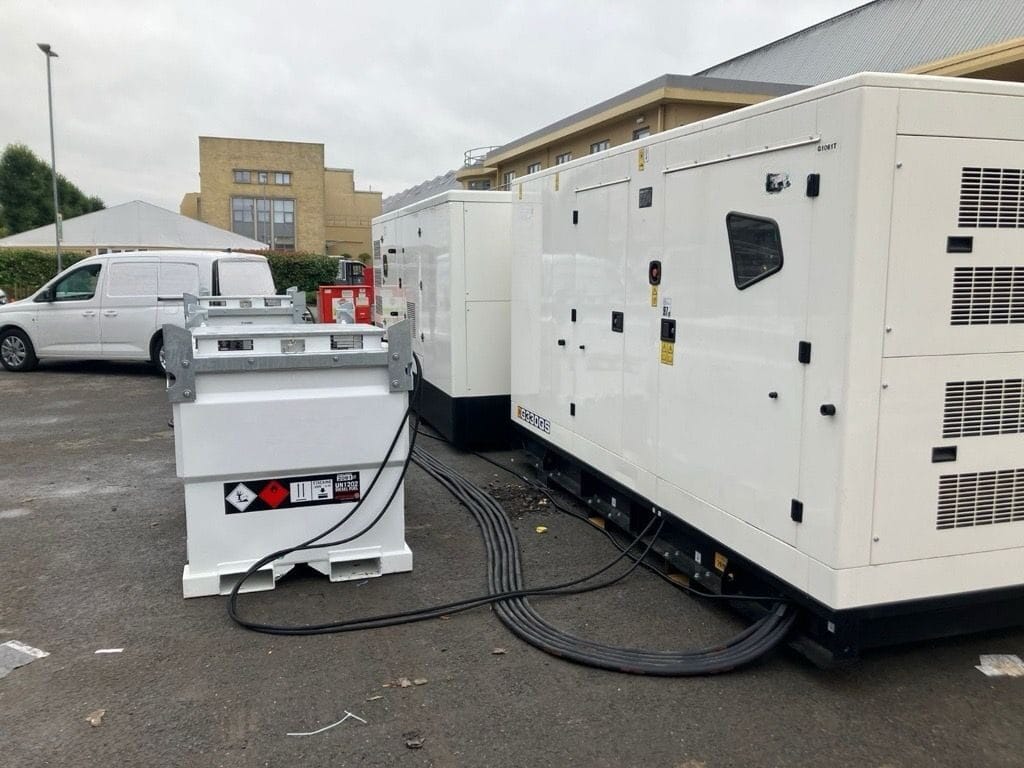
Why Generator Sizing Matters
Correct generator sizing directly impacts the reliability, safety, and cost efficiency of temporary power systems.
When a generator is properly matched to site requirements, businesses benefit from:
• Reliable power supply
• Improved operational efficiency
• Lower fuel consumption
• Reduced maintenance issues
• Lower operating costs
• Improved equipment protection
• Reduced risk of overloads and shutdowns
• Better long-term performance
Incorrect sizing can create serious operational problems. Undersized generators often struggle to handle startup loads or fluctuating demand, while oversized units may run inefficiently and consume unnecessary fuel.
Proper sizing ensures the generator operates within its optimal load range, improving both performance and fuel economy.
Understanding Generator Power Ratings
Before selecting a generator, it is important to understand the different power measurements used in generator sizing.
Kilowatts (kW)
Kilowatts measure real power, which is the actual usable energy required to operate equipment.
Kilovolt Amperes (kVA)
kVA measures apparent power, which includes both usable power and reactive power.
Most commercial and industrial generators are rated in kVA.
Single Phase vs Three Phase Power
Smaller equipment and domestic applications often use single-phase power, while industrial machinery and larger commercial systems typically require three-phase generators.
Choosing the wrong phase configuration can prevent equipment from operating correctly.
Professional generator hire providers help businesses determine the correct power type for their applications.
Understanding Power Requirements
Accurately calculating power demand is essential when choosing the right temporary generator.
Several factors must be considered during the sizing process.
Running Loads
Running load refers to the continuous power required while the equipment operates normally.
Examples include:
• Lighting systems
• Portable offices
• Refrigeration units
• Pumps
• Catering equipment
• HVAC systems
All running loads should be added together to determine the minimum continuous power requirement.
Startup Loads
Many types of equipment require significantly higher power during startup.
This is particularly common with:
• Electric motors
• Air conditioning units
• Compressors
• Pumps
• Refrigeration systems
• Industrial machinery
Startup loads can be several times higher than normal operating loads. Failure to account for this surge demand may cause the generator to overload or trip.
Peak Demand
Temporary power systems must also accommodate periods of maximum usage.
For example, an event may require additional lighting and catering equipment during peak operating hours, while construction sites may operate multiple heavy tools simultaneously.
Allowing sufficient capacity for peak demand helps avoid interruptions and power instability.
Continuous Operating Requirements
Some applications require generators to run continuously for extended periods.
Long-running operations may include:
• Construction projects
• Manufacturing facilities
• Emergency backup systems
• Remote infrastructure works
• Data centres
Continuous operation often requires larger generators with increased fuel capacity and enhanced durability.
Common Generator Applications
Different industries and projects require different generator sizes depending on equipment demand and operating conditions.
Construction Sites
Construction projects are one of the most common applications for temporary generator hire.
Generators are used to power:
• Site lighting
• Power tools
• Welfare cabins
• Security systems
• Temporary offices
• Concrete mixers
• Cranes and lifting equipment
Construction environments often experience fluctuating demand throughout the day, making accurate generator sizing especially important.
Larger projects may also require multiple synchronised generators to support changing workloads efficiently.
Events and Outdoor Functions
Temporary generators play a vital role in powering events across the UK.
Applications include:
• Concerts
• Festivals
• Corporate events
• Weddings
• Sporting events
• Outdoor exhibitions
Event power systems often support:
• Stage lighting
• Audio systems
• LED screens
• Catering equipment
• Refrigeration
• Temporary bars
• Ticketing systems
Event organisers must ensure generators can handle both continuous and peak demand without risking disruption during critical periods.
Quiet-running generators are also commonly required for public events to minimise noise disturbance.
Industrial Facilities
Industrial facilities frequently use temporary generators during maintenance work, shutdowns, or emergencies.
Generators may support:
• Production equipment
• Manufacturing systems
• Pumps
• Ventilation systems
• Warehousing operations
• Cold storage
• Critical infrastructure
Industrial applications often require large-scale three-phase generators capable of handling high startup loads and continuous operation.
Emergency Backup Power
Power outages can severely disrupt businesses and essential services.
Temporary generator hire provides rapid emergency backup power for:
• Hospitals
• Care homes
• Offices
• Retail facilities
• Warehouses
• Manufacturing plants
• Data centres
Reliable backup systems help businesses maintain continuity during unexpected outages and minimise operational downtime.
Factors Affecting Generator Size
Several external factors can influence the size and performance of a temporary generator.
Equipment Type
The type of equipment being powered significantly affects generator selection.
Motor-driven equipment typically requires higher startup power compared to lighting or heating systems.
Accurately identifying all connected equipment helps ensure sufficient generator capacity.
Operating Duration
Projects requiring continuous operation may need generators with:
• Larger fuel tanks
• Improved cooling systems
• Extended runtime capability
• Reduced maintenance intervals
Long-duration projects often benefit from fuel management systems and backup fuel storage.
Site Conditions
Environmental conditions can impact generator performance.
Factors include:
• Outdoor temperatures
• Altitude
• Dust levels
• Ventilation
• Moisture exposure
Generators operating in harsh outdoor conditions may require weatherproof enclosures and additional protection.
Future Expansion
Businesses should also consider whether power requirements may increase during the project.
Allowing some additional capacity provides flexibility for future equipment additions without requiring generator replacement.
The Importance of Professional Load Assessment
Professional generator hire providers conduct detailed load assessments to ensure accurate sizing.
This process helps businesses avoid:
• Costly oversizing
• Dangerous overloads
• Equipment damage
• Power instability
• Unplanned downtime
Experienced engineers assess:
• Total power demand
• Startup surge requirements
• Cable sizing
• Fuel consumption
• Distribution systems
• Site layout
This ensures safe and efficient temporary power installation.
Benefits of Temporary Generator Hire
Hiring a generator offers several advantages over purchasing equipment outright.
Flexible Solutions
Generator hire allows businesses to scale power systems according to project requirements.
Cost-Effective Power
Temporary hire eliminates major capital investment while providing access to modern equipment.
Fast Deployment
Emergency power systems can often be delivered and installed quickly to minimise downtime.
Maintenance Support
Professional hire companies provide servicing, monitoring, and technical assistance throughout the hire period.
Fuel Efficiency
Modern generators offer improved fuel efficiency and reduced emissions compared to older systems.
Why Choose Ideal Heat Solutions?
At Ideal Heat Solutions, we provide reliable temporary generator hire solutions for projects across the UK.
Our services include:
• Temporary generator hire
• Construction site generators
• Event power solutions
• Industrial backup power
• Emergency temporary power
• Fuel management support
• Nationwide delivery and installation
• Expert technical guidance
Our experienced team works closely with businesses to ensure generators are correctly matched to operational requirements, helping maintain safe and efficient temporary power throughout every project.
Conclusion
Choosing the correct generator size is essential for maintaining reliable temporary power across construction, industrial, commercial, and event environments.
Accurate sizing helps businesses improve efficiency, reduce operating costs, protect equipment, and avoid costly downtime.
By assessing running loads, startup requirements, peak demand, and site conditions, businesses can ensure their temporary power systems operate safely and effectively.
Professional generator hire support provides expert guidance, dependable equipment, and flexible solutions tailored to the specific needs of each project.
Contact us today.