

Modern commercial buildings are increasingly designed with plant rooms located on rooftops. From hospitals and hotels to apartment blocks, universities and office developments, placing heating equipment at roof level frees up valuable internal space while simplifying building services.
However, when a rooftop heating system fails or requires replacement, providing temporary heating becomes far more complex than many people realise.
Unlike ground-level installations, rooftop projects introduce a range of logistical challenges that must be carefully planned before any temporary boiler can be delivered and commissioned. Access restrictions, structural limitations, crane lifts and confined rooftop spaces can all influence the type of temporary heating solution that is suitable.
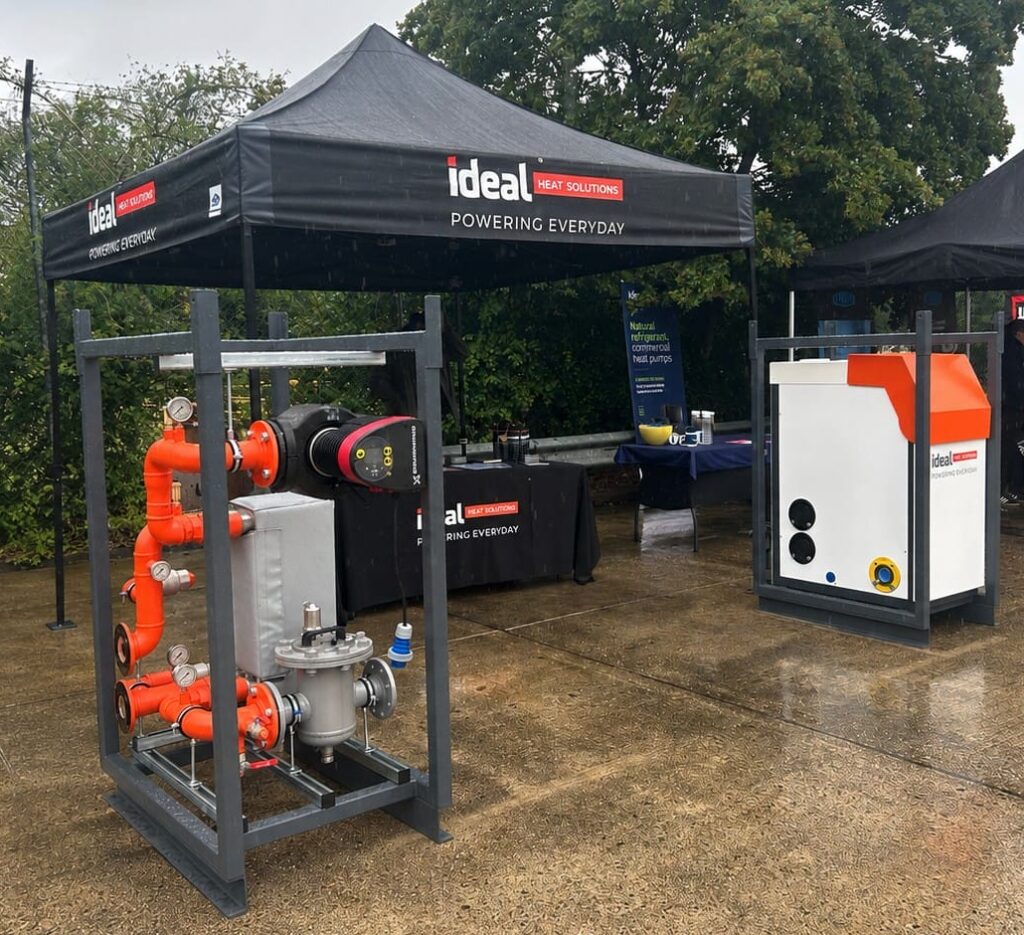
For many commercial buildings, modular boiler hire has become the preferred option. By dividing the required heating output across multiple compact boilers rather than relying on a single large packaged unit, modular systems offer greater flexibility while simplifying installation.
At Ideal Heat Solutions, modular boiler systems are regularly specified for temporary heating projects where restricted access, limited space or rooftop installations make conventional temporary boilers less practical.
Why Are Rooftop Temporary Heating Projects More Challenging?
Temporary heating is often required during planned maintenance, plant room refurbishments, equipment failures or wider decarbonisation programmes. While the objective remains the same, maintaining heating and hot water without disrupting building operations, rooftop installations require additional planning compared with traditional ground-level projects.
Every building is different, but common challenges include:
- Restricted rooftop access
- Weight limitations
- Structural loading requirements
- Crane availability
- Weather exposure
- Limited plant room space
- Difficult equipment positioning
- Restricted service clearances
In many city-centre locations, simply transporting temporary heating equipment onto a rooftop may require road closures, specialist lifting contractors and carefully coordinated installation programmes.
These additional considerations can significantly affect project timescales, making equipment selection just as important as the temporary heating system itself.
Why Traditional Packaged Boilers Aren’t Always the Best Choice
Packaged temporary boilers remain an excellent solution for many commercial heating projects. They offer large outputs, integrated plant equipment and straightforward connections where space allows.
However, rooftop environments often expose their limitations.
Large packaged boiler units can present challenges because they typically require:
- Larger lifting equipment
- Greater structural loading capacity
- More installation space
- Wider access routes
- Increased manoeuvring room
For older buildings, high-rise developments and occupied sites, these constraints can make installation more complicated than necessary.
This is where modular boiler systems offer a practical alternative.
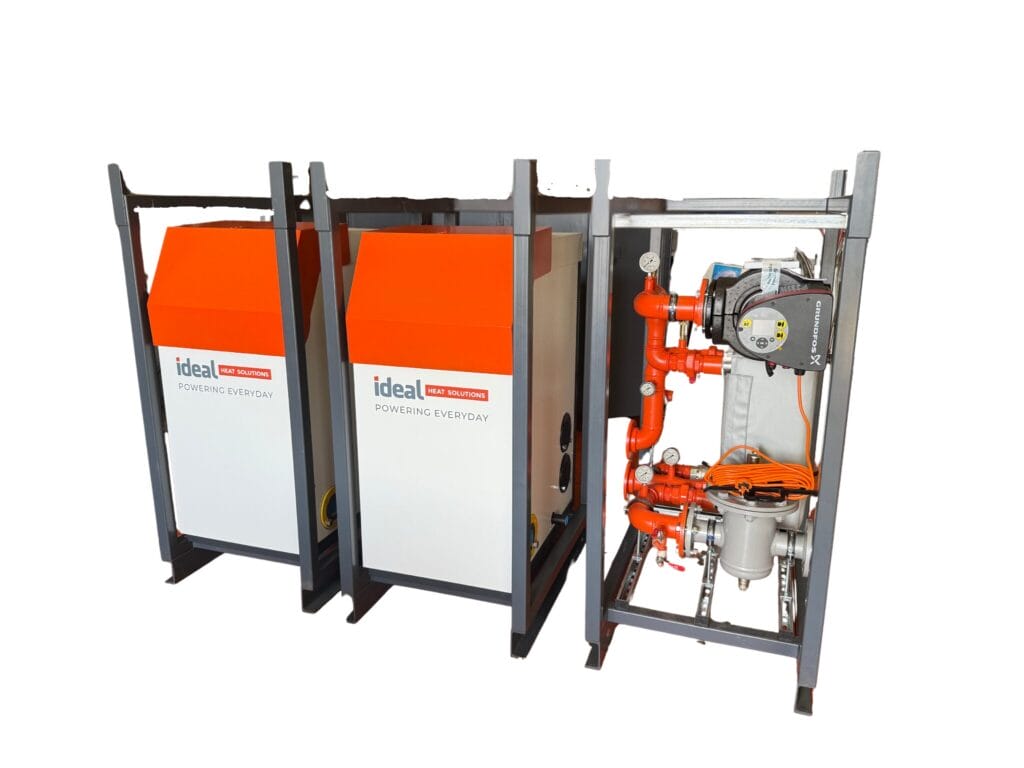
Rather than delivering a single large boiler plant, modular systems divide the heating output across several compact boilers that are easier to transport, position and install within confined rooftop plant rooms.
Why Modular Boiler Hire Is Becoming the Preferred Solution
Modular boiler systems are designed to provide the same heating capacity as larger packaged units while offering significantly greater installation flexibility.
Each boiler module is compact enough to be transported through many access routes that would be unsuitable for larger equipment, including goods lifts, rooftop access doors and restricted service corridors.
Once positioned, the modules operate together as a single heating system using intelligent cascade controls, allowing the output to increase or decrease in line with the building’s heating demand.
This approach offers several advantages:
- Easier transportation
- Greater installation flexibility
- Reduced disruption
- Improved load matching
- Enhanced resilience
- Better use of restricted rooftop space
Instead of designing the project around the limitations of a single large boiler, modular systems allow the temporary heating solution to adapt to the building itself.
Reduced Crane Requirements
One of the biggest advantages of modular boiler hire is the reduction in crane dependency.
Large packaged boilers often require substantial lifting operations involving specialist contractors, extended setup times and detailed lift planning.
By comparison, modular systems use smaller individual units that are lighter and easier to position.
Depending on the building layout and access arrangements, this can reduce installation complexity, lower lifting costs and improve project flexibility.
For facilities managers responsible for keeping occupied buildings operational, reducing crane requirements can also minimise disruption to building users while helping projects progress more efficiently.
Scalable Heating for Large Commercial Buildings
Rooftop plant rooms rarely serve small buildings. More often, they provide heating and hot water to hospitals, hotels, residential developments, universities and large commercial offices where demand fluctuates throughout the day.
A heating system that operates efficiently during periods of low demand is just as important as one capable of meeting peak loads.
This is where modular boiler systems offer a significant advantage.
Instead of relying on a single boiler operating continuously, modular systems use intelligent cascade controls to bring individual boilers online only when additional heat is required. As demand reduces, boilers are switched off in sequence, helping maintain efficiency while avoiding unnecessary fuel consumption.
This staged approach provides several operational benefits, including:
- Better load matching
- Improved fuel efficiency
- Reduced boiler cycling
- Greater system resilience
- Lower operating costs
For facilities managers, this means temporary heating can be tailored to the building’s actual requirements rather than operating at full output regardless of demand.
This flexibility is particularly valuable in buildings where occupancy changes throughout the day or where heating demand varies seasonally, such as hospitals, universities and commercial offices.
Supporting Refurbishment and Decarbonisation Projects
Many temporary boiler installations form part of wider refurbishment or energy improvement programmes rather than simply responding to an emergency breakdown.
As commercial buildings continue to modernise their heating infrastructure, existing boiler plant is often replaced with newer, more efficient systems or integrated with low-carbon technologies such as heat pumps.
During these projects, maintaining heating and hot water is essential, particularly in occupied buildings where downtime isn’t an option.
Temporary modular boiler systems provide a reliable bridge while permanent works are completed.
They can support projects involving:
- Plant room refurbishments
- Boiler replacements
- Pipework upgrades
- Control system improvements
- Heat pump installations
- Decarbonisation programmes
Because modular systems are compact and flexible, contractors have greater freedom to carry out works without compromising day-to-day building operations.
For organisations such as hospitals, hotels and residential developments, this helps ensure occupants continue to receive heating and hot water throughout the project.
Temporary Heating for Occupied Buildings
Installing temporary heating in an occupied building requires far more than simply providing enough heat.
Facilities managers must balance operational continuity with safety, access restrictions and the comfort of building occupants.
Hospitals cannot lose heating or domestic hot water. Hotels need to maintain guest comfort. Residential developments rely on continuous heating for residents, while universities and offices must remain operational during refurbishment works.
Modular boiler systems are well suited to these environments because they offer:
- Compact installation footprints
- Flexible system layouts
- Quieter operation
- Built-in redundancy
- Phased installation where required
Rather than introducing a single large piece of equipment that may be difficult to position, modular systems allow heating capacity to be installed in stages, making them particularly suitable for sensitive live environments where disruption needs to be kept to a minimum.
Energy Efficiency Matters Too
Choosing a temporary heating solution isn’t just about maintaining service. Energy efficiency is becoming an increasingly important consideration for commercial organisations looking to reduce operating costs and support wider sustainability objectives.
Modern modular boiler systems combine high-efficiency condensing technology with intelligent controls to maximise performance throughout the hire period.
Depending on the system design and operating conditions, modular boilers can provide:
- High operating efficiencies
- Low NOx emissions
- Intelligent cascade sequencing
- Full condensing operation
- Integration with Building Management Systems (BMS)
Because only the required number of boilers operate at any one time, energy use can be better matched to actual building demand.
For many organisations, particularly those working towards carbon reduction targets, temporary heating is no longer viewed simply as an emergency measure but as part of a wider strategy for improving energy performance during refurbishment and replacement projects.
Planning a Rooftop Temporary Boiler Installation
Every rooftop heating project is different, which is why early planning plays such an important role in selecting the right temporary boiler solution.
Before any equipment is delivered, several technical factors should be assessed, including:
- Structural loading capacity
- Equipment access routes
- Available lifting methods
- Weather protection
- Hydraulic connections
- Gas or fuel supplies
- Electrical requirements
- Ventilation
- Health and safety considerations
A detailed site survey helps identify any challenges before installation begins, allowing the temporary heating system to be designed around the building rather than forcing the building to accommodate the equipment.
Depending on the project, additional ancillary equipment such as pumps, temporary pipework, plate heat exchangers or expansion vessels may also be required to ensure the system operates safely and efficiently.
Careful planning at the outset helps minimise disruption, reduce installation time and support reliable heating throughout the project.
Read about contingency planning here.
Common Applications for Rooftop Modular Boiler Hire
Modular rooftop boiler systems are used across a wide range of commercial and public sector environments where heating continuity is critical and access is limited.
Common applications include:
- Hospitals and healthcare facilities
- Hotels
- Commercial offices
- High-rise residential developments
- Universities and schools
- Retail centres
- Leisure facilities
- Mixed-use developments
Although each project presents its own challenges, these buildings often share similar requirements: reliable temporary heating, minimal disruption and equipment that can be installed safely within restricted rooftop spaces.
The flexibility of modular boiler systems makes them particularly well suited to these types of environments, helping maintain business continuity while permanent heating infrastructure is repaired, replaced or upgraded.
Why Choose Ideal Heat Solutions for Rooftop Modular Boiler Hire?
Every temporary heating project is different. The size of the building, access restrictions, existing heating infrastructure and programme of works all influence the most suitable solution.
At Ideal Heat Solutions, we don’t simply supply temporary boilers. We work with clients to design a temporary heating package that fits the building, the project and the operational requirements.
Our support includes:
- Site surveys and technical advice
- Temporary heating system design
- Modular boiler hire
- Temporary pipework and ancillary equipment
- Pumps and plate heat exchangers
- Commissioning and testing
- Planned and emergency installations
- Nationwide delivery and engineering support
Whether you’re replacing ageing plant, carrying out a major refurbishment or responding to an unexpected boiler failure, our team can help specify a temporary heating solution that maintains business continuity while permanent works are completed.
Conclusion
Rooftop heating projects present unique engineering challenges that require careful planning and the right equipment.
Restricted access, structural loading limits and confined plant rooms can make traditional packaged boilers difficult to install, particularly in occupied commercial buildings where disruption must be kept to a minimum.
Modular boiler hire offers a practical alternative.
By dividing heating capacity across multiple compact units, modular systems provide greater flexibility, improved efficiency and easier installation while maintaining reliable heating throughout refurbishment projects, plant replacements and emergency situations.
For facilities managers and contractors, this means temporary heating can be delivered with less disruption, better load management and a solution tailored to the building’s specific requirements.
As more commercial buildings move towards refurbishment and low-carbon heating strategies, modular boiler systems are likely to play an increasingly important role in supporting temporary heating projects across the UK.
Contact Ideal Heat Solutions
Whether you’re planning a plant room refurbishment, replacing ageing heating equipment or responding to an emergency boiler failure, Ideal Heat Solutions can provide a temporary heating solution tailored to your project.
We supply:
- Temporary Boiler Hire
- Modular Boiler Hire
- Emergency Boiler Hire
- Planned Boiler Hire
- Packaged Boiler Hire
- Temporary Chiller Hire
- Heater Hire
- Air Conditioning Hire
- Generators and Fuel Tanks
Our experienced team can advise on equipment selection, arrange a site survey and provide a fully engineered temporary heating solution to help maintain business continuity.
🌐 www.idealheatsolutions.co.uk
Frequently Asked Questions
Why are modular boilers better for rooftop temporary heating?
Modular boilers are often better suited to rooftop projects because each boiler is smaller and easier to transport than a single large packaged boiler. This makes it easier to move equipment through restricted access routes, position it safely within confined plant areas and reduce the complexity of lifting operations. For many commercial buildings, modular systems provide a more flexible temporary heating solution while still delivering the required heating capacity.
Do rooftop temporary boiler installations always require a crane?
Not necessarily. While some rooftop projects will require lifting equipment, modular boiler systems can reduce or simplify crane operations because the individual units are lighter and more compact than traditional packaged boiler plant. The installation method will always depend on the building layout, access arrangements and results of the site survey.
What types of buildings use rooftop modular boiler systems?
Rooftop modular boilers are commonly used in hospitals, hotels, commercial offices, universities, leisure facilities and high-rise residential developments. These buildings often have rooftop plant rooms where maintaining heating and hot water is essential during maintenance, refurbishment or plant replacement projects.
Can modular boilers support planned refurbishment projects?
Yes. Temporary modular boiler systems are frequently installed while permanent heating equipment is being replaced or upgraded. They help maintain heating and hot water during plant room refurbishments, decarbonisation projects, pipework upgrades and control system improvements, allowing buildings to remain operational throughout the works.
Are modular boiler systems energy efficient?
Modern modular boilers use high-efficiency condensing technology and intelligent cascade controls, allowing the system to match heating output with demand. This can improve fuel efficiency, reduce unnecessary cycling and support organisations looking to minimise energy consumption during temporary heating projects. Actual performance will depend on the building, system design and operating conditions.
What should be considered before hiring a rooftop temporary boiler?
Before specifying a temporary rooftop boiler, it’s important to assess factors such as structural loading, access routes, lifting requirements, available utilities, hydraulic connections, ventilation and health and safety considerations. A professional site survey helps identify these requirements and ensures the temporary heating system is designed appropriately for the building.